The Grand La Palmera Mountain Ridge
Mindanao’s Hidden Symphony of Hills and Palms
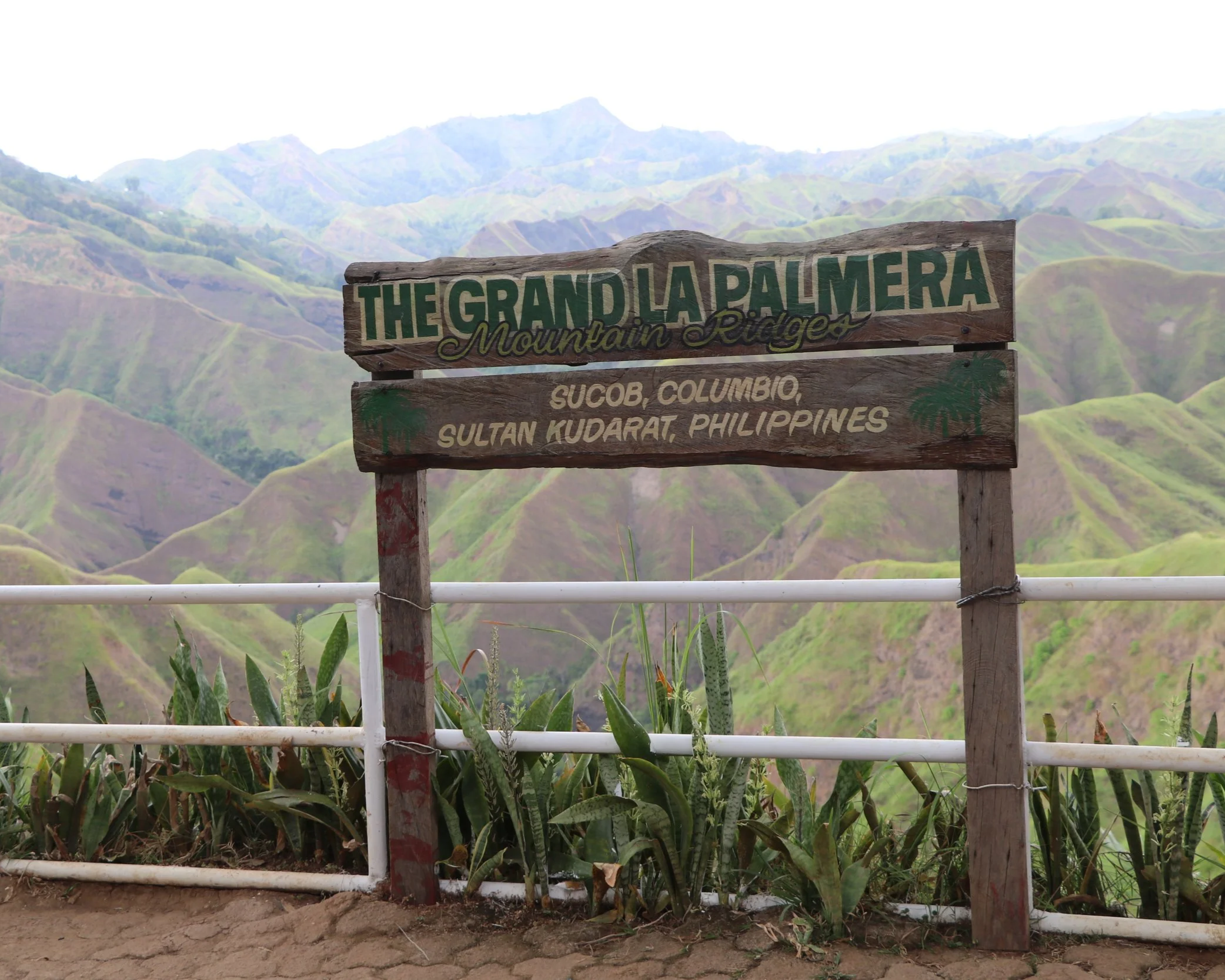
There is a peculiar kind of magic that happens when you leave the paved roads behind. The hum of city tires on asphalt fades, replaced by the crunch of gravel and the gentle sway of a vehicle navigating terrain that nature intended to remain wild. It is on these paths, in the heart of Sultan Kudarat, Mindanao, that one finds the reward for their curiosity: The Grand La Palmera Mountain Ridge.
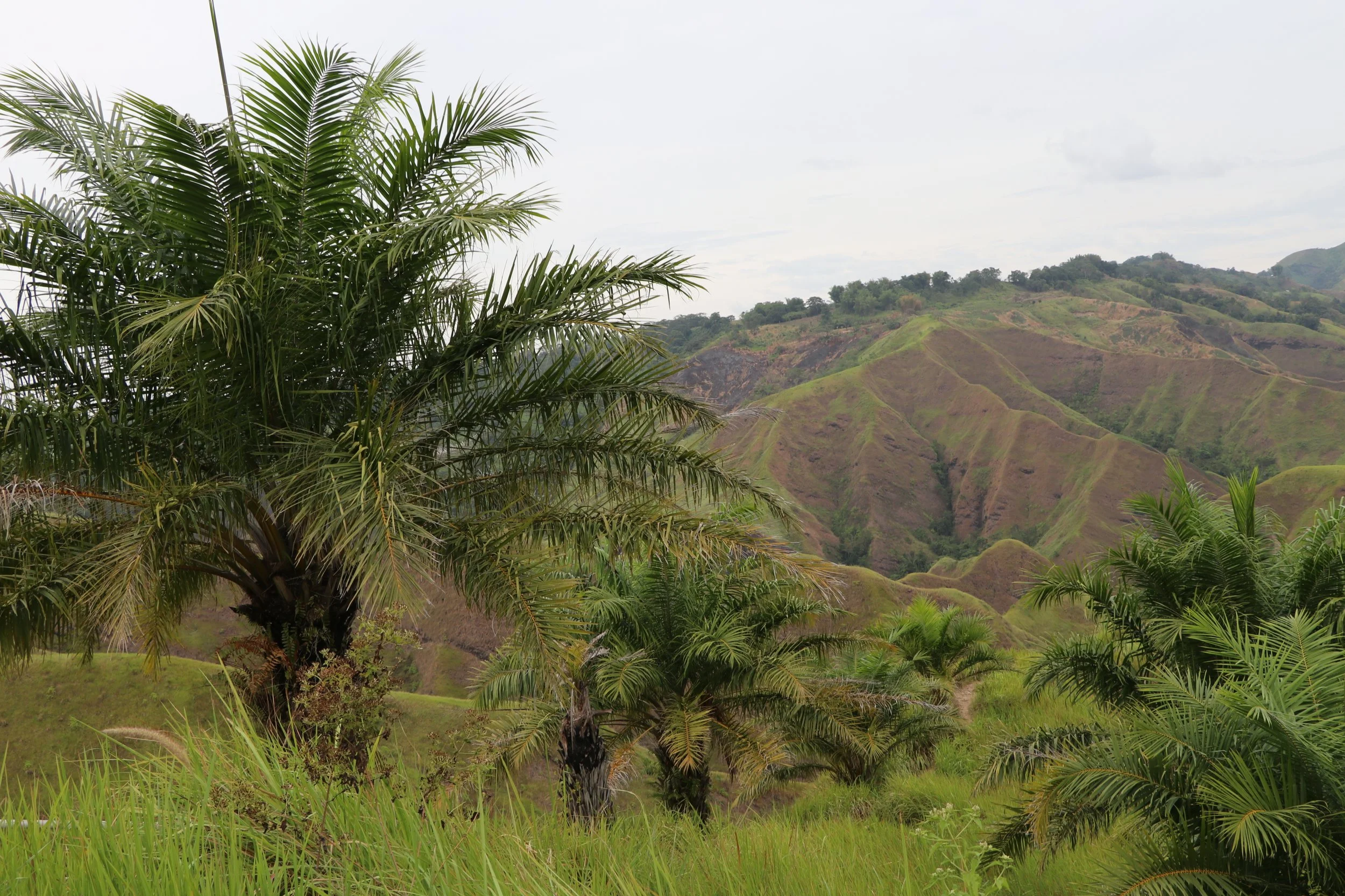
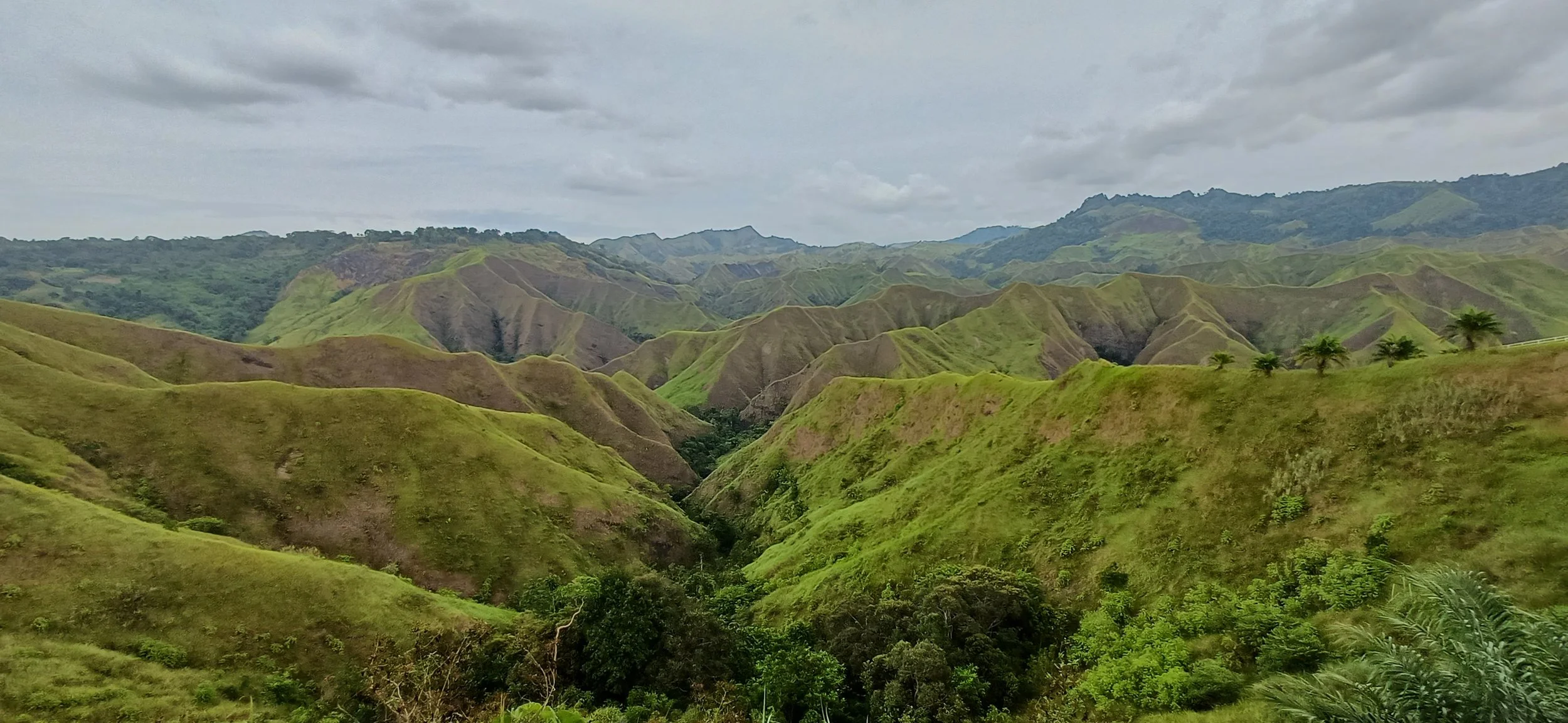
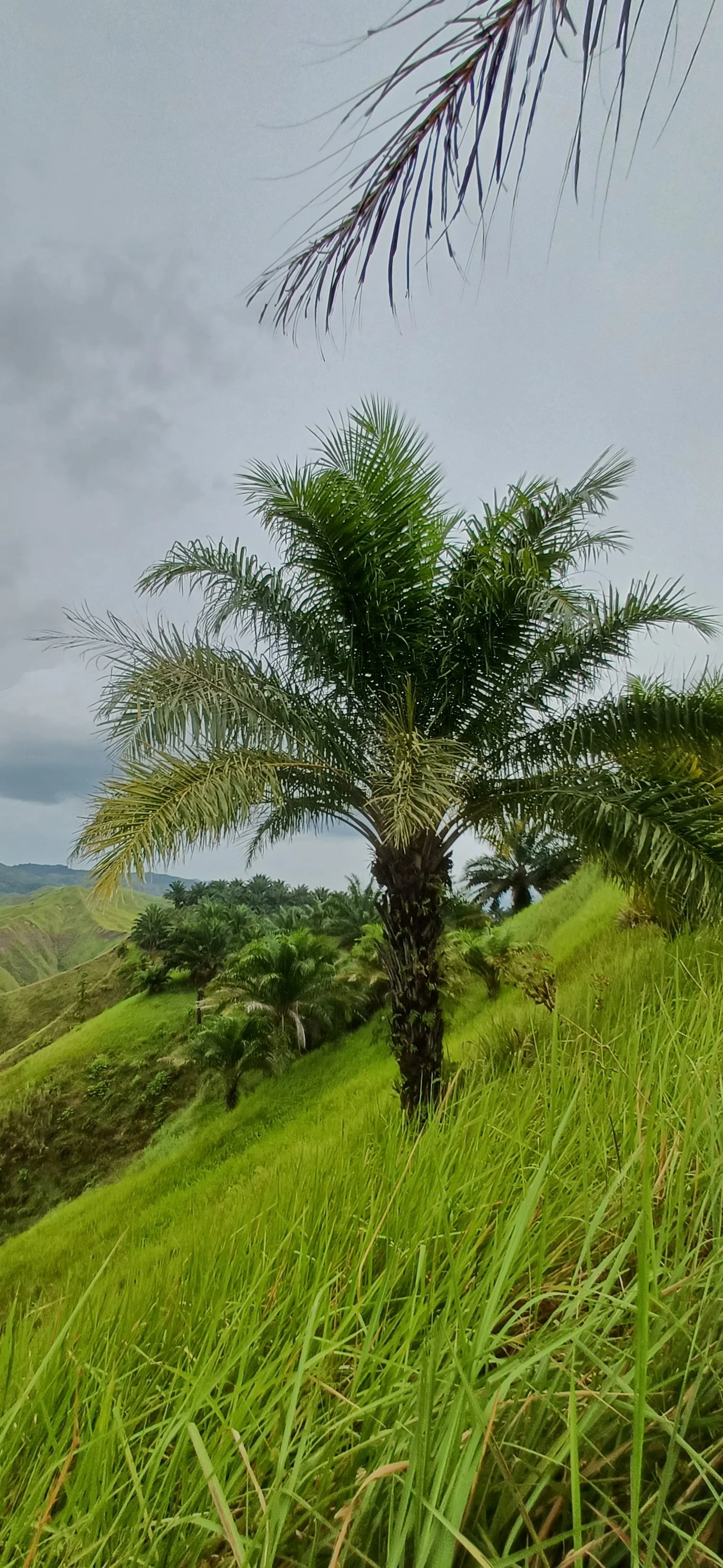
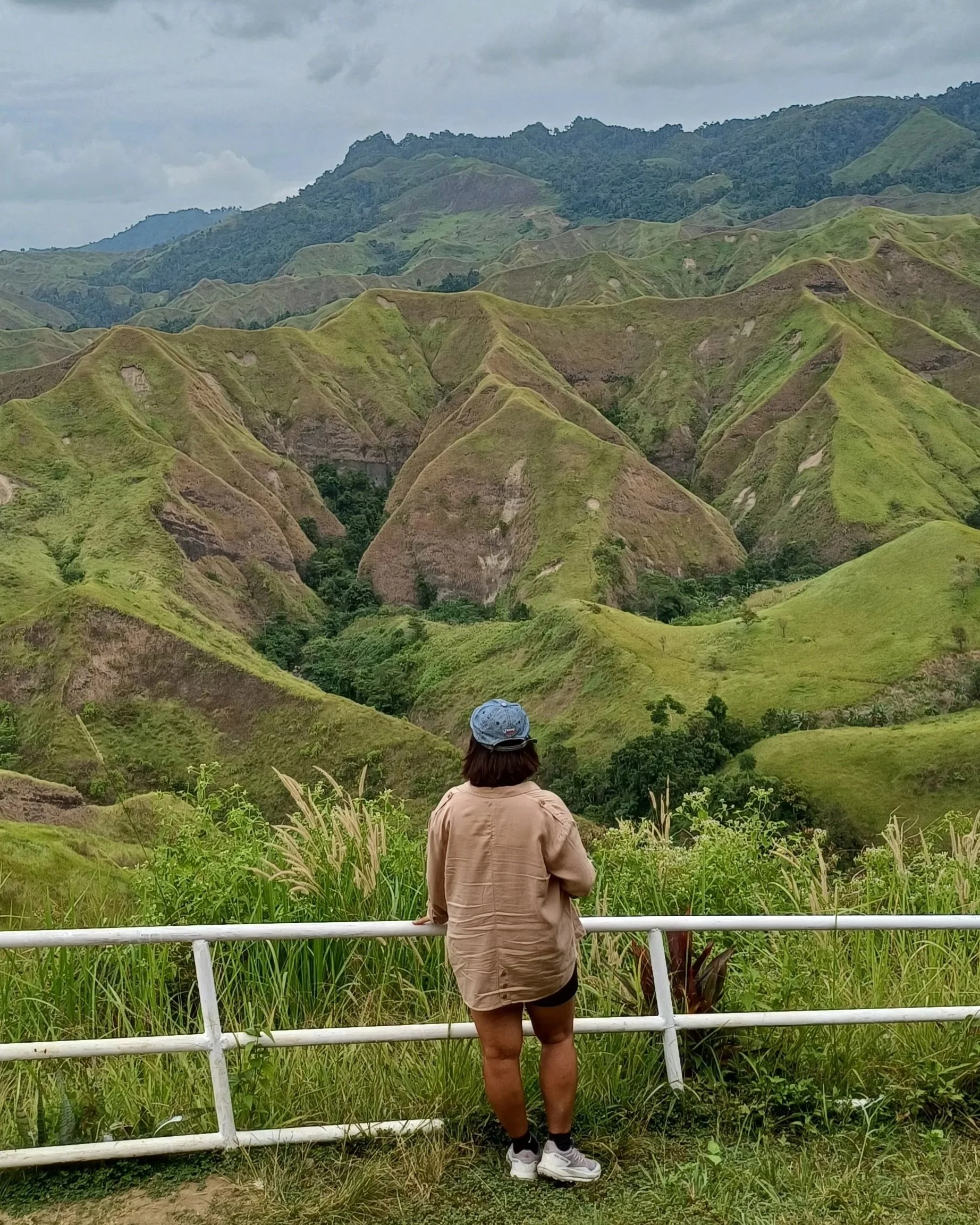
Tucked away in the municipality of Datu Paglas, near the boundary of Columbio, this isn't just a viewpoint; it is an experience. It is a place where the earth seems to breathe, its ribcage of rolling green hills rising and falling against a sky punctuated by the feathery crowns of oil palms. For the uninitiated, the name "La Palmera" might evoke images of a polished Spanish resort. In reality, it is something far better: a raw, authentic slice of the Philippine countryside that has, until recently, remained a whispered secret among local adventurers . To stand atop the Grand La Palmera is to understand why travelers often compare it to the iconic landscapes of Batanes or even the pastoral scenes of New Zealand. The vista is a sprawling canvas of cogon grass swaying in the wind like waves on a golden-green sea, punctuated by the sculpted symmetry of palm plantations that descend into the valleys below . But this ridge is more than just a pretty face; it is a story of community, livelihood, and the slow, steady opening of a destination that asks for a little effort in exchange for a lot of soul.
The Genesis of a Landscape: Origins and History
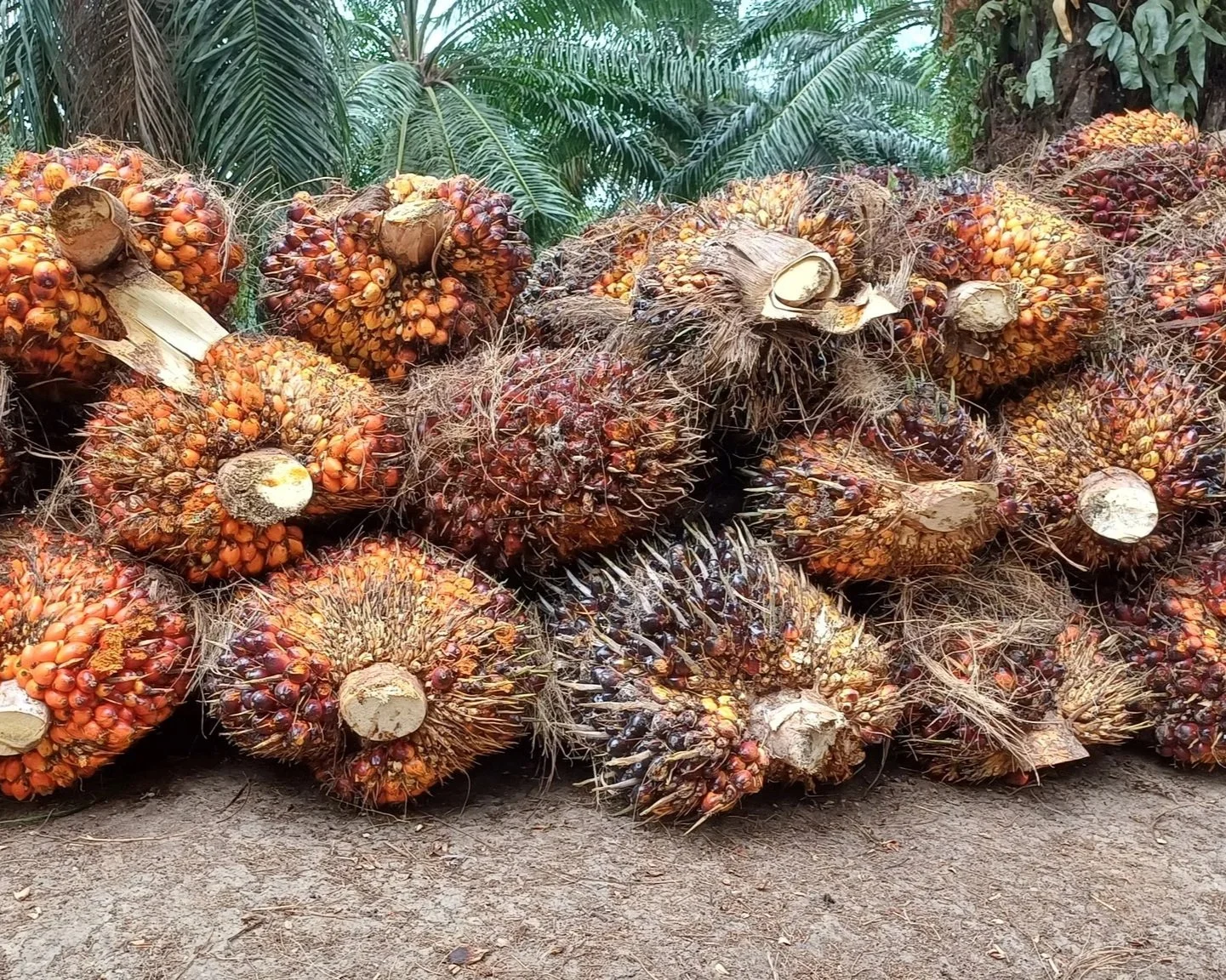
The Grand La Palmera Mountain Ridge is located in the landlocked town of Columbio, Sultan Kudarat, though its access point is often associated with the nearby Datu Paglas junction . Its name, derived from the Spanish for "the palm tree," is a direct nod to the vast oil palm plantations that drape its lower slopes . These aren't just scenic backdrops; they are the lifeblood of the local economy. For generations, this land has been intertwined with the indigenous B’laan people, who have called this part of Mindanao home for centuries . The rolling terrain that we now see as a tourist destination was once, and still is, a source of sustenance and cultural identity. The introduction of oil palm plantations changed the agricultural landscape significantly. As one local guide explained to a visiting blogger, the shift toward oil palm was economic pragmatism; the fruit can be harvested almost monthly, offering a more consistent income than traditional crops .
The ridge itself, however, is nature's masterpiece. While the palms are cultivated, the dramatic ridgeline with its steep slopes and panoramic views, was carved by time and weather. It sits above these plantations, a natural balcony offering a view of the fruits of the land and the untouched wilderness beyond. The "Grand" in its name might feel like a bold claim at first, but the first glimpse of the Columbio Plains from its peak confirms that the title is well-earned . In recent years, the local government and the community have begun to recognize the value of their backyard not just for what grows in the soil, but for the beauty that lies upon it. By regulating tourism and implementing environmental fees, they are slowly but surely opening their doors to the world, inviting visitors to witness a side of Mindanao that defies the often-misunderstood reputation of the region .
The Pilgrimage: Accessibility and The Road Less Paved
Let’s be honest: getting to the Grand La Palmera Mountain Ridge is half the adventure and a quarter of the workout. This isn't a destination you simply plug into Waze and glide into. It demands a bit of grit, a sense of humor, and preferably, a vehicle with a lot of ground clearance.The journey typically begins from General Santos City (Gensan) or Davao City. If you're flying in, General Santos International Airport (GES) is your best bet . From Gensan, you can take a bus bound for Tacurong City and from there, catch a jeepney or van heading to the town of Columbio . For the DIY warriors coming from Davao, the route takes you through Digos, Makilala and the Tacurong highway before you hit the crucial landmark: the Datu Paglas junction .
Once you turn off the main highway, the real journey begins. You'll pass through the Poblacion (town center) and follow signs (which do exist, though they can be sparse, so keep your eyes peeled) toward the ridge . The road transforms. It winds through barangays like Sucob and the asphalt gives way to a challenging dirt path strewn with rocks and boulders . This is where the vehicle choice becomes critical. Locals and seasoned visitors will tell you in no uncertain terms: leave the sedan at home. You need a pick-up truck, a 4x4 or a sturdy motorcycle. If you arrive in a low-slung car, your best bet is to park it safely downhill and rent a "habal-habal" (a motorcycle taxi) for the final ascent . The road includes small river crossings and steep inclines that can become treacherous, if not impassable, during the rainy season from June to October . But here’s the thing about difficult roads: they often lead to the most beautiful places. As you bump along, passing through vast corridors of oil palm trees, the air changes. It grows cooler, cleaner. You'll cross a small river and suddenly, you're in the middle of what feels like a different world . When you finally hand over the environmental fee at the entrance and step out onto the ridge, the struggle of the journey dissolves into the landscape .
A Sanctuary for Life: Biodiversity, Fauna, and Flora
While the manicured hills of cogon grass and the orderly rows of palms dominate the postcard shots, the Grand La Palmera is teeming with life that is more subtle but equally vital. The area is a transition zone between cultivated land and the remaining wild forests of Sultan Kudarat, making it an interesting spot for biodiversity.
The rolling hills are primarily covered in sakate or cogon grass (Imperata cylindrica), which turns a golden hue during the dry season and a vibrant green when the rains come. These grasses create a habitat for small grassland birds and insects. But the stars of the vegetative show are, without a doubt, the palm trees. While the African oil palms (Elaeis guineensis) are the most visible cash crop, the ridge's name hints at a broader variety of palm species that likely dotted the landscape before large-scale cultivation . Birdwatchers will find a quiet joy here. Early mornings on the ridge are accompanied by the calls of tropical birds flitting between the scattered trees and bushes. You might spot finches, doves, and perhaps catch a glimpse of a Brahminy Kite soaring on the thermals above the valley, its rusty plumage a flash of color against the blue sky .
The biodiversity isn't just limited to what you can see. The ridge and its surrounding hills are part of a larger ecological system that includes waterways leading to hidden gems like the Pangandilan Falls and even an underground river system in the nearby barangays . The cool climate and relatively untouched nature of the upper ridges provide a sanctuary for flora that thrives in cooler temperatures, including mosses and ferns that cling to the rocks near the water sources. And yes, because it is a living, breathing ecosystem, the insects are thriving too. Visitors are advised to bring insect repellent, as the local mosquito population is known to be quite friendly .
The View That Stops Time: Tourism and Things to See
Finally, we arrive at the main event: the view. The Grand La Palmera isn't a single viewpoint but a series of "stations" along the ridge, each offering a different perspective and a different kind of relaxation . Locals have cleverly divided the area into zones catering to different vibes.
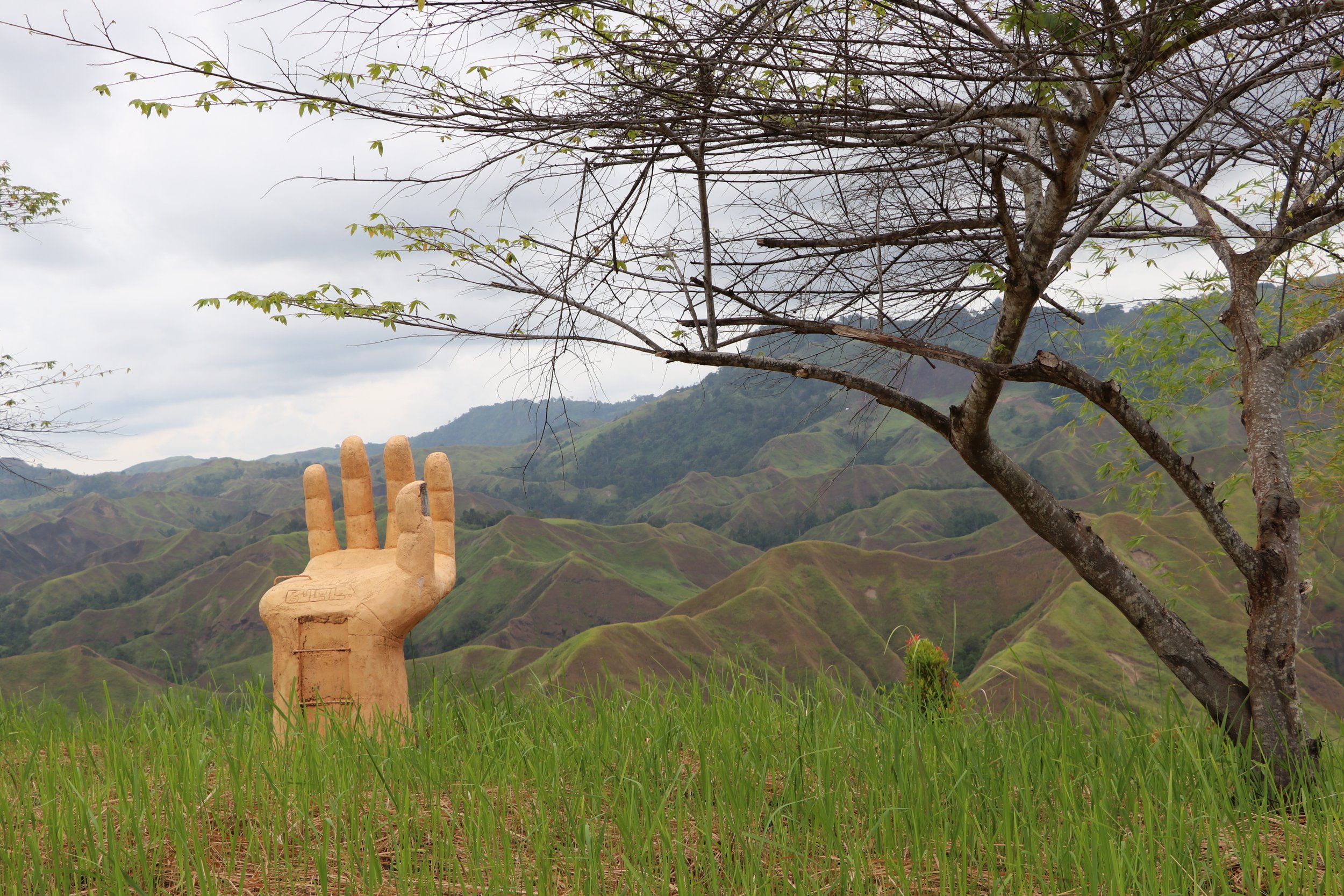
Station 1 is often the busiest, perfect for couples and groups. It features the iconic, instagrammable spots where you can take photos that make it look like you're standing on the edge of the world, with the grassy hills rolling endlessly behind you. It’s great for long walks along the spine of the ridge .
Station 2 is the chill zone. Imagine sipping a cup of local coffee or a cold drink while perched on a hill, the wind in your hair, with absolutely nothing to do but stare at the horizon. It’s the perfect spot for a lazy afternoon picnic .
Station 3 is for the solo traveler or the deep thinker. It’s a bit more isolated, offering a quiet space for introspection what the locals jokingly call the "move on" spot, where you can contemplate life while snacking on local berries like aratilis .
The main activity here is tan-aw, the Visayan word for "to look" or "to witness." You look at the Columbio Plains stretching out like a green carpet. You look at the palm trees that look like they've been planted by a giant with a ruler, so perfectly aligned they are. You look at the sky as it changes colors during sunrise or sunset, painting the grasslands in shades of orange and pink.
For the slightly more active, short treks along the ridge allow you to explore different nooks and crannies. Photography is, of course, a primary pastime. Whether you have a professional DSLR or just a smartphone, the light here is forgiving and the compositions are endless.
Beyond the ridge itself, the area serves as a gateway to other adventures. Organized tours often combine a visit to La Palmera with a trip to the Pangandilan Falls, where you can cool off in the clear mountain waters or an exploration of the mysterious underground river in the nearby limestone caves, an adventure that requires a bit of spelunking but rewards you with views of ancient rock formations and stalactites .
Creature Comforts: Food, Shelter and Local Life
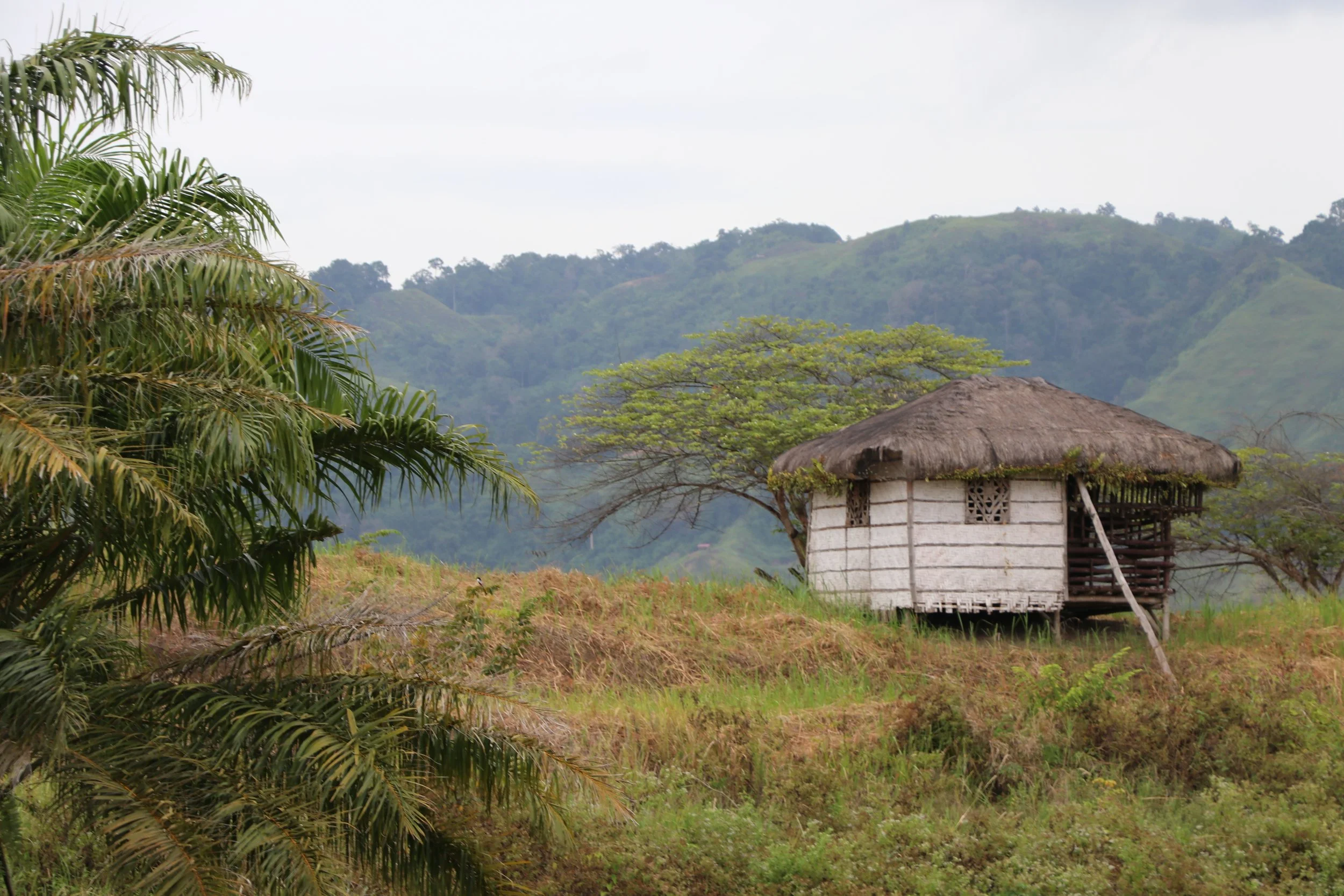
Now, let's manage expectations. The Grand La Palmera is not a five-star resort. It is a community-run tourism site that is still in its beautiful, rustic infancy. The facilities are basic but functional. You'll find restrooms, though they might be reliant on rainwater, so don't expect five-star plumbing . The campsite has huts for shelter and while some reviews note they could use a bit of repair, they add to the authentic, campy vibe of the place .
Overnight stays are possible and highly recommended for those who want the full experience. The ridge is incredibly cold at night, a surprising contrast to the tropical heat of the lowlands. A jacket isn't just a fashion statement; it's a necessity . Currently, electrical lines are still being installed, so don't expect power outlets. This is your chance to truly disconnect. Bring a power bank to keep your devices alive for photos, and a flashlight to navigate after dark .
Food is another part of the adventure. There is a small store at the top park that stocks basic snacks and drinks . However, for a proper meal, you have two options. You can bring your own provisions and have a picnic with a view that money can't buy. Or, you can coordinate with the local "captain" or caretaker to prepare food for you. The nearby poblacion also has local karinderias (small eateries) serving halal food. Visitors rave about trying local specialties like Pastel, a sweet bread filled with creamy goodness, which you can find in the town proper .
The true warmth of the place, however, comes from the people. The locals, many of whom are from the B’laan indigenous community or settler families who have lived here for generations, are known for their kindness . They speak Tagalog and often a smattering of Visayan dialects, making communication easy for most Filipino visitors. There's even a guard stationed at the ridge for safety who, as one traveler cheekily noted, will keep you "safer than your ex" .
The Rhythm of the Seasons: When to Go
Timing is everything at La Palmera. The dry season, from November to May, is your safest bet . During these months, the trails are firm, the skies are clear, and the famous views are unobstructed. The hills are at their greenest in the months just after the rains subside.
For photographers and romantics, early morning is the golden hour. The mist clings to the valleys like a soft blanket, and the sunrise casts long, dramatic shadows across the rolling hills . You'll likely have the place mostly to yourself, sharing it only with the birds and the cool breeze.
The late afternoon is a close second favorite. The harsh light softens, the temperature drops, and you can watch the sun dip behind the mountains, painting the sky in watercolors.
Visiting during the rainy season (June to October) is a gamble. You might get a clear, crisp day, or you might find the roads blocked by swollen streams. The views can be obscured by clouds, turning the panoramic vista into a mysterious, foggy dreamscape—which has its own beauty, but isn't what most people come for. If you do go during this time, checking local road and flood advisories is non-negotiable .
A Final Thought: The Soul of La Palmera
The Grand La Palmera Mountain Ridge is more than just a travel destination.
It is a testament to the quiet beauty of Mindanao. It represents a shift in how we view travel, away from the polished and the commercial, toward the authentic and the communal. It is a place where the journey is a shared story, the destination is a shared treasure and the locals are not just service providers but hosts welcoming you into their living room. As you stand on that ridge, with the wind sculpting the grass around you and the palms standing sentinel below, it’s easy to feel a sense of peace that is hard to find elsewhere. The bumpy ride, the basic facilities, the lack of signal, they all fade into insignificance. What remains is the view. That endless, rolling, breathtaking view that whispers a simple truth: sometimes, the best things in life really are hidden.
So pack your bags, grab your jacket, charge your power bank and set your GPS to Datu Paglas. The Grand La Palmera is waiting to show you just how grand Mindanao truly is.